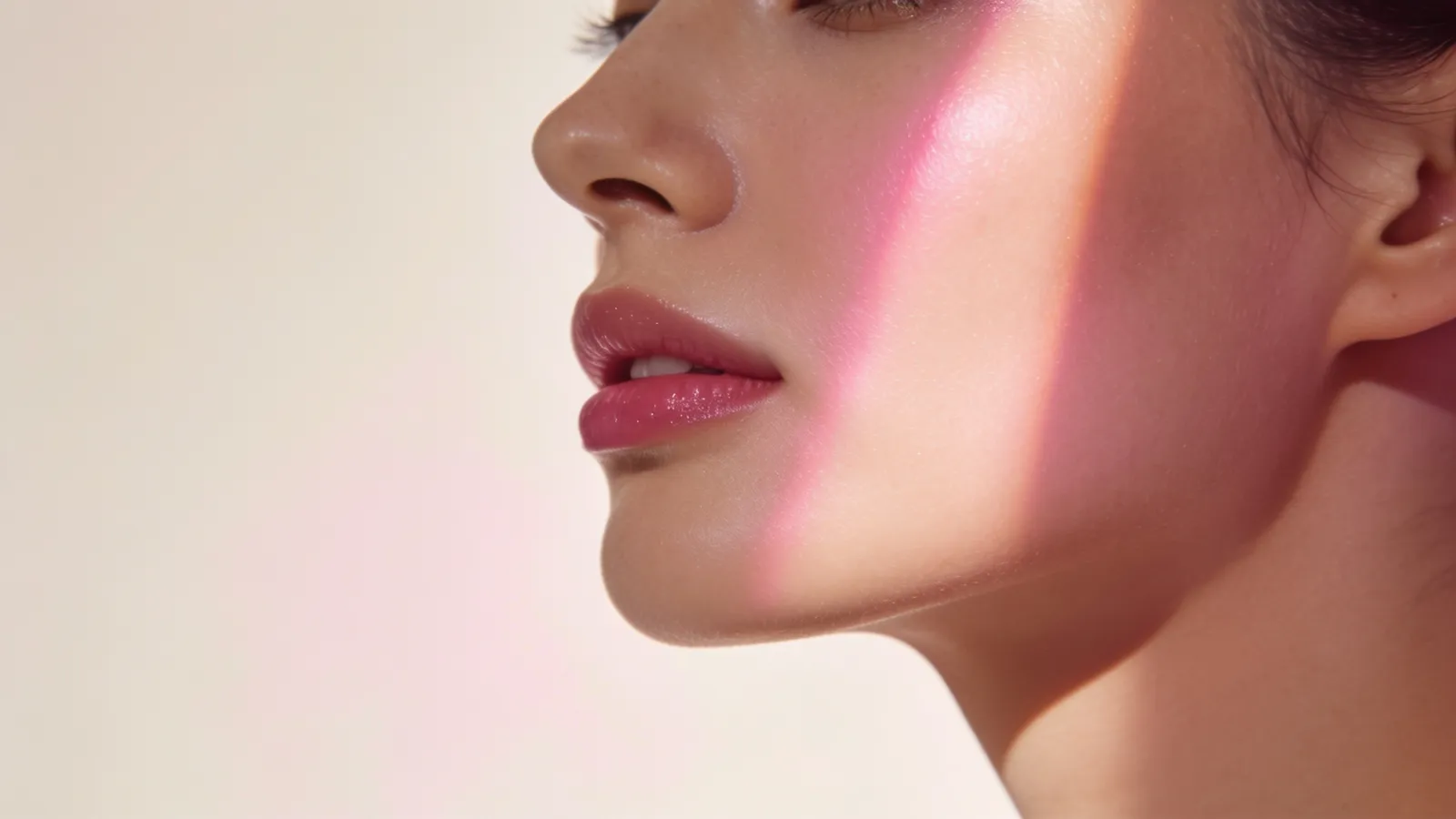
Skin quality, not face shape
Think of a skin booster as treatment for the skin, not for the structure beneath it. The aim is better hydration, elasticity and surface texture, with fewer fine lines. Your face shape stays the same. Change tends to be gradual, and results vary from person to person.
Boosters are not all alike. They belong to different classes that act in different ways, so one brand cannot simply stand in for another. In Chinese, the hydrating type is often called 水光针. The choice of class comes from your examination, not from a brand name.
Skin booster options in Singapore, matched to what the skin lacks
| Rejuran | Profhilo | |
|---|---|---|
| Active | Polynucleotide | Hyaluronic acid, high and low molecular weight |
| Directed at | Texture, fine lines, elasticity, post-acne skin, thin under-eye skin | Crepey, dull, thin or dehydrated skin, including neck and hands |
| Placement | Intradermal micro-injections | Set Bio Aesthetic Points per side |
| Key allergy check | Fish or salmon allergy | Allergy to hyaluronic acid or any component |
For a fuller comparison, see Rejuran vs Profhilo.
A hyaluronic acid booster. The hyaluronic acid here is not cross-linked, or only lightly bonded, so it spreads through the tissue.
Profhilo, a bio-remodelling product with high and low molecular weight hyaluronic acid, heat-bonded without BDDE cross-linker. It holds 64 mg of hyaluronic acid per 2 ml, split evenly between the two weights. It is given with a modified BAP method, which uses defined points as a safety framework, with product placed according to face shape.
A polynucleotide such as Rejuran. It is purified from salmon DNA and is said to act on fibroblasts, the cells that make skin structure. Concentration is about 20 mg/ml.
A PDLLA collagen stimulator such as Juvelook. It relies on your own tissue response, which builds slowly and differs between people.
A booster may help the surrounding skin. Tethered scars need subcision first.
Who may suit a booster
You may suit a booster if your main concern is dull, dehydrated skin, fine surface lines, early loss of firmness, or thin skin that needs repair. You should also be comfortable with slow change. Skin type alone does not rule a booster in or out, so each person is assessed. Men have the same assessment. Thicker, oilier skin may change the product, the placement and the areas chosen. Some boosters are also used on the neck and the backs of the hands, with product and depth chosen at examination.
Who should wait or avoid it
Active infection, cold sore, acne flare or eczema where the injections would go. Pregnancy or breastfeeding. Recent laser, peel, filler or thread in the area.
Allergy to a component. This includes hyaluronic acid, lidocaine where the product contains it, and fish for polynucleotides.
Bleeding tendency or blood-thinning medicines, autoimmune disease, a history of severe allergy, or a tendency to keloids.
What a skin booster cannot do
A booster will not fill a hollow, restore volume or alter your face shape. It will not raise descended tissue or deal with heavy excess skin. It does not treat pigment, and it does not free tethered scars. If hollows are the issue, a filler assessment is the better conversation. If tissue has descended, the doctor may discuss energy-based lifting such as focused ultrasound, or a surgical assessment.
What happens at a visit
Two common misunderstandings
A booster is sometimes described as a thin filler. That is not accurate. Filler is there to add volume, and a booster is there for skin quality. Boosters are also not interchangeable. Each class acts differently, so swapping one for another changes what is being treated. A needle-free option exists too, the Deep Synergy Booster, which delivers actives using focused ultrasound. Whether any of these fits depends on your skin.
Side effects and risks
Tiny bumps at injection points, redness, swelling, tenderness and bruising, all of which fade without treatment. Polynucleotides may leave more visible bumps for a short while.
Lumps or nodules, a bluish tint from shallow hyaluronic acid, cold sore flare, infection, and tender swelling that appears weeks later. Allergic reactions are rare.
Product entering a blood vessel is uncommon with fine, shallow placement. If pain worsens or the skin turns pale or dusky, contact your injecting doctor or go to A&E straight away. See our guide to warning signs.
Before you book
How long it lasts, and how fees work
No fixed duration can be promised. Hyaluronic acid is broken down gradually, so hydration fades unless it is maintained. Age, sun exposure, smoking and skin condition all affect how long a change holds. If you stop, your skin drifts back toward its untreated state while normal ageing continues. Fees are not published. They depend on the area, the findings, the class and amount of product, any combination with laser or energy-based treatment, and staging. You receive a written quote after assessment, before anything is agreed.